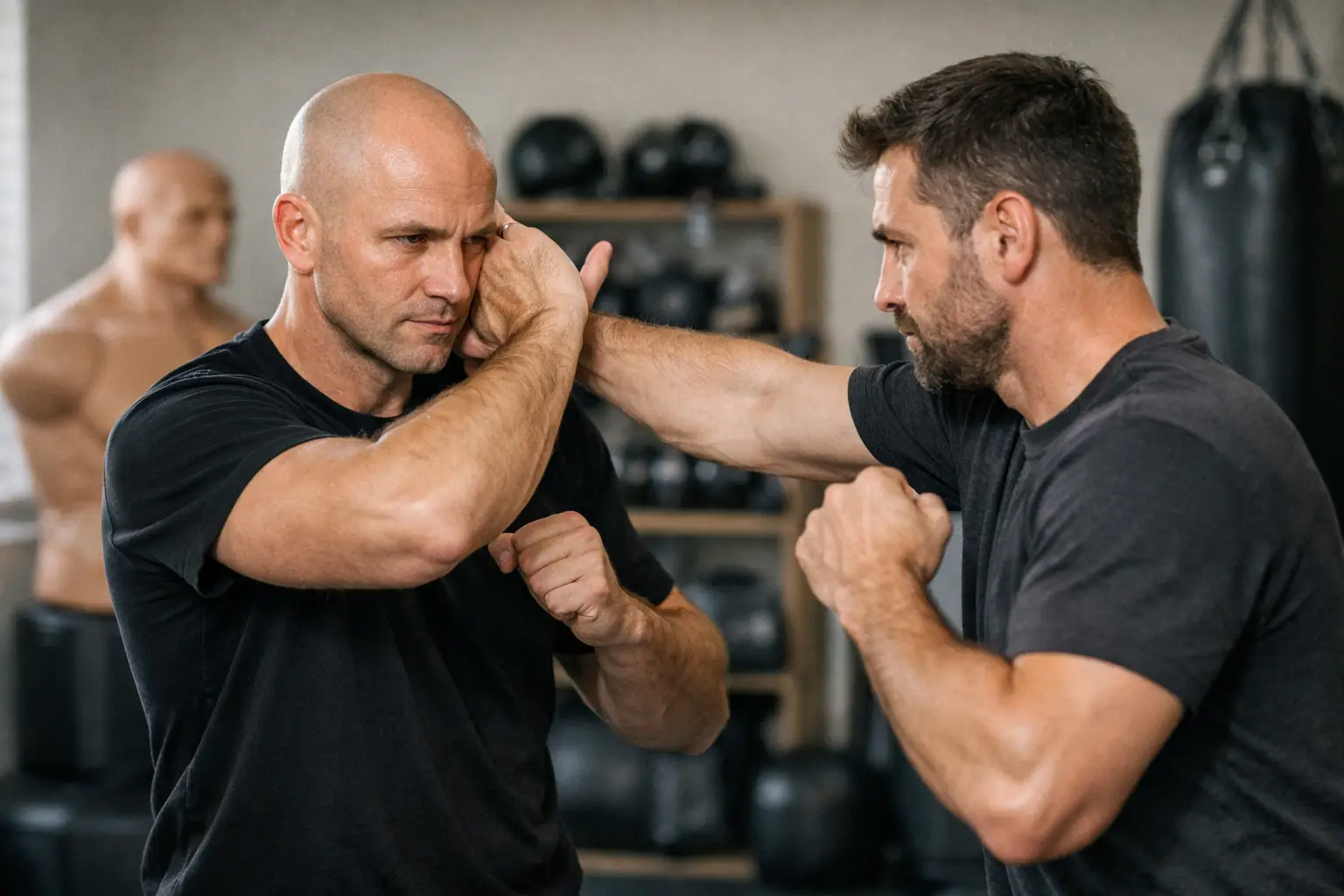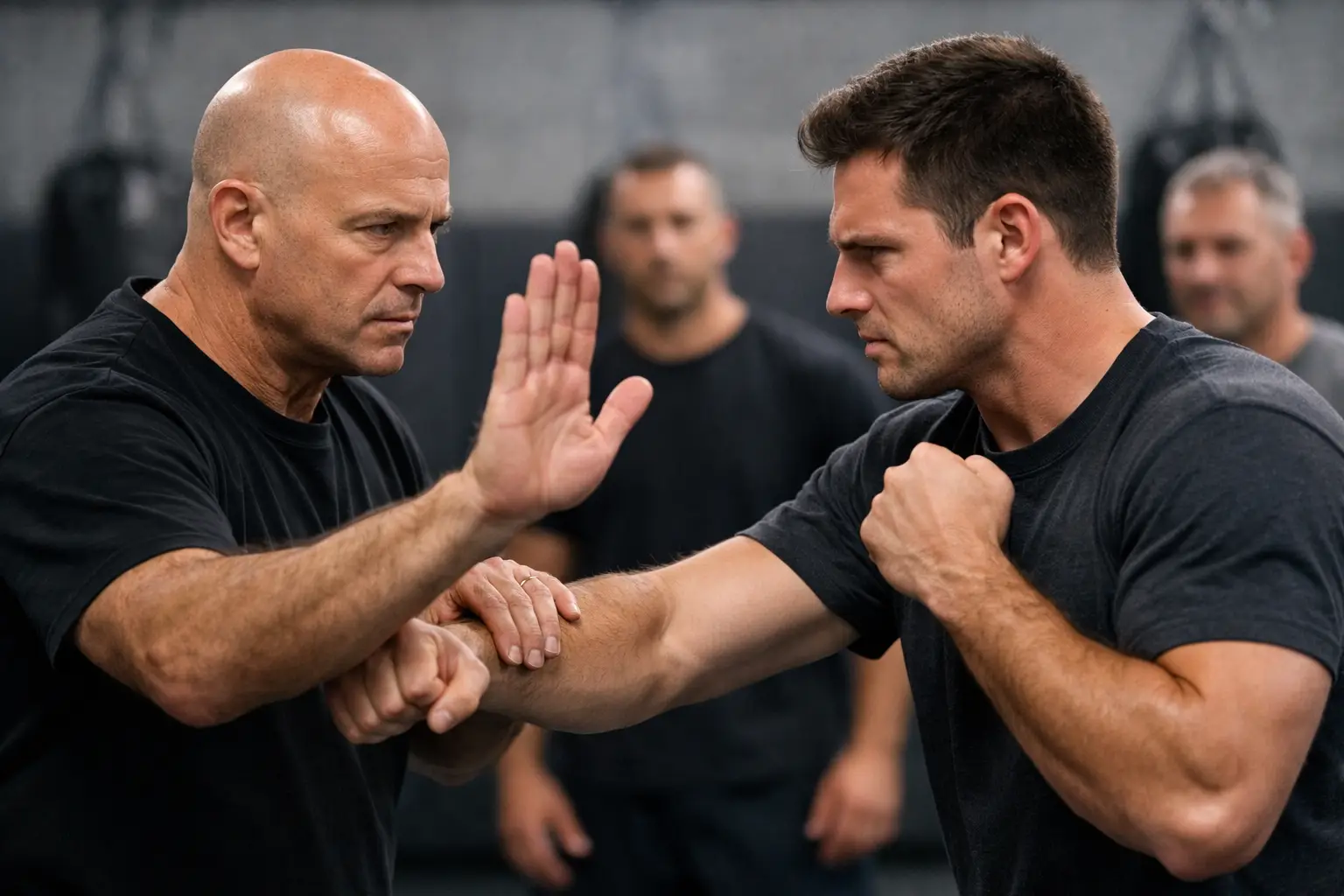
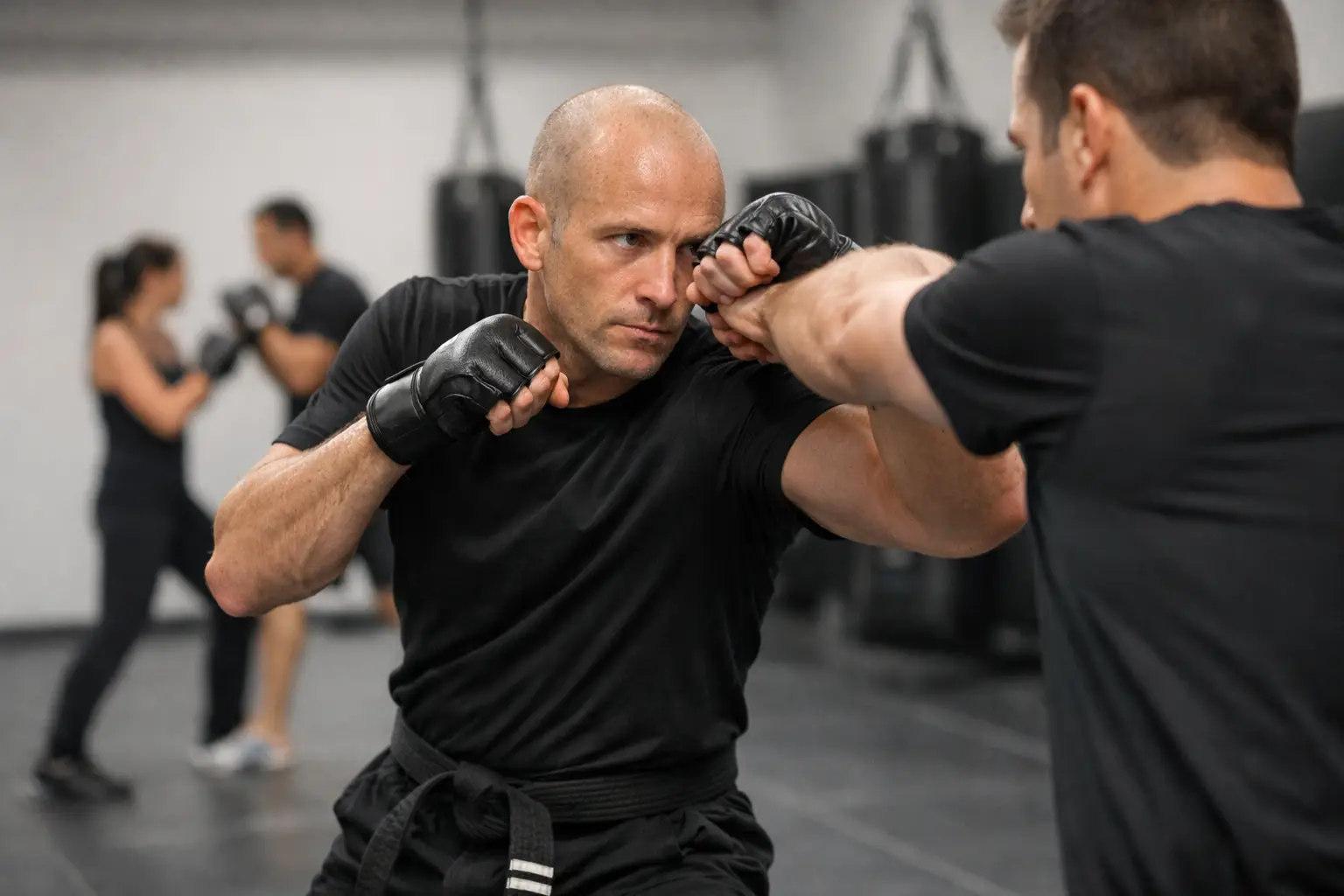
You do not earn a black belt by collecting techniques. You earn it by proving you can perform under pressure, think clearly in chaos, and apply Krav Maga with control, speed, and judgment. A black belt Krav Maga course is built for that standard. It is not casual fitness training, and it is not theory-heavy martial arts study. It is structured, demanding instruction designed to turn advanced practitioners into complete, reliable self-defense operators.
For serious students, the appeal is obvious. You want more than random online videos, inconsistent local classes, or a patchwork of skills picked up over time. You want a defined path, credible instruction, and a system that measures progress in a way that means something. That is exactly where a true black belt track stands apart.
What a black belt Krav Maga course actually means
A black belt level program should represent the highest tier of technical and tactical development within a formal Krav Maga progression. That includes advanced striking, weapon defenses, threat recognition, movement under pressure, tactical problem-solving, and the ability to adapt when an attack does not unfold the way you expected.
At this level, training is not about memorizing longer combinations just to feel advanced. It is about refining timing, precision, aggression control, and decision-making. The student is expected to understand when to disengage, when to dominate space, and how to transition immediately between defense and counterattack.
A serious course also demands maturity. Black belt candidates are usually expected to demonstrate leadership, consistency, discipline, and a deep understanding of core principles. In other words, the belt is not just a reward for surviving the curriculum. It is recognition that your skills are reliable and your judgment is trustworthy.
Who should take a black belt Krav Maga course
Not every student is ready for this level, and that is a good thing. The strongest black belt programs protect the integrity of the rank by requiring progression through earlier belt levels or equivalent experience. If a course promises instant black belt status with no foundation, that is a warning sign.
This level is best suited for experienced practitioners who have already built solid basics and want an official, structured path to the highest level. It also fits martial artists from other systems who understand combat training but want reality-based self-defense methodology. For law enforcement, military, and private security professionals, a black belt pathway can also serve as a disciplined expansion of practical skills, especially when the curriculum addresses real-world threats rather than competition rules.
That said, readiness is not only about age, athleticism, or profession. Many adult learners with demanding schedules are fully capable of advanced progression when the training format is organized properly. What matters more is commitment, coachability, and the willingness to repeat skills until they hold up under fatigue and stress.
What to expect inside a black belt Krav Maga course
The best programs are not vague. They show you exactly what the progression includes and why each phase matters.
Advanced technical development
At black belt level, students should expect a much higher standard in striking mechanics, defensive reactions, movement efficiency, and tactical combinations. Details matter more here than ever. A slightly delayed hand, a weak angle, or poor balance can break the whole response.
This is where advanced students separate themselves from intermediates. The movements may look familiar on the surface, but the execution becomes sharper, tighter, and far more effective. A proper course forces precision until your skills stop being theoretical and start becoming dependable.
Weapon and threat-based defense
A black belt curriculum should go deep into edged weapon threats, blunt object attacks, firearm scenarios, multiple-angle assaults, and high-pressure close-range responses. These are not flashy demonstrations. They are serious training areas that demand control and realism.
There is always a balance to manage here. Training must stay practical without creating false confidence. The right instruction makes that clear. You are learning principles, responses, tactical priorities, and survival-focused actions – not fantasy disarms that ignore speed, aggression, and chaos.
Stress, pressure, and decision-making
Technical knowledge alone is not enough. A black belt candidate must show the ability to function under stress. That includes fatigue, surprise, compressed reaction time, verbal pressure, and rapidly changing variables.
This is one reason structured online learning can be more effective than people assume. When the curriculum is organized properly, students can repeat modules, isolate weak points, and train consistently instead of waiting for one class per week. Repetition matters. So does the ability to revisit complex material until the body responds faster and cleaner.
Testing and certification standards
An authentic black belt course should include measurable standards, not vague praise. Students should know what they are being assessed on, what technical level is required, and how certification is earned.
Official recognition matters because it gives your training context and credibility. For many students, especially those without access to a local academy, a structured certification pathway is the difference between drifting through content and building real progression. When that pathway is led by an established authority, the value increases even further.
Why online black belt training can work
Some people still assume advanced self-defense can only be learned in a physical gym. That depends on the quality of the instruction, the structure of the program, and the discipline of the student.
A well-built online black belt Krav Maga course solves several problems that traditional schools often cannot. It removes schedule restrictions. It allows you to train at your own pace. It gives you repeated access to the same high-level instruction instead of one-time demonstrations that disappear the moment class ends. For adults balancing work, family, travel, or professional duty, that flexibility is not a convenience. It is what makes consistent training possible.
There are trade-offs, and serious brands should be honest about them. Solo training requires accountability. Certain drills are easier with a partner. Feedback matters. But high-level online academies address these limits through structured progression, detailed demonstrations, support systems, and clearly defined belt standards. If the teaching is strong, students can build skill faster because they are not dependent on a local school’s schedule, instructor quality, or class size.
Krav Maga Online was built around that exact reality – giving committed students access to belt-by-belt progression, advanced instruction, and an official path without requiring them to live near a training center.
How to judge a black belt Krav Maga course before enrolling
Prestige language is easy to write. Serious standards are harder to fake.
First, look at who teaches the program. Advanced students should learn from a recognized authority with a clear lineage, real-world credibility, and a structured curriculum. Black belt training should not feel improvised.
Second, examine the progression. Does the course show a logical path from earlier belts into advanced work, or does it jump straight into high-level claims? Real systems build skill layer by layer.
Third, look for official certification and transparent expectations. If there is no clear testing standard, no formal rank structure, and no explanation of how students are evaluated, the course may be more entertainment than education.
Finally, consider whether the format fits your life well enough to keep you training. The best course on paper will fail if your schedule makes consistency impossible. A demanding program still has to be accessible enough for you to use it regularly.
The real value of reaching black belt level
The strongest reason to pursue black belt is not status, even though status has its place. The real value is capability. You train until your responses become cleaner, faster, and more reliable. You sharpen discipline. You raise your threshold under pressure. You move from knowing techniques to owning them.
For some students, that means personal protection with a much higher level of confidence and readiness. For others, it supports professional demands in security, law enforcement, or military settings. For many, it is also a personal standard – proof that they followed a difficult path to a credible finish.
A black belt should mean that your training is not casual, your standards are not negotiable, and your preparation is grounded in reality. If that is what you want, choose a course that treats the rank with the seriousness it deserves. Then train like the belt has to be earned, because it does.