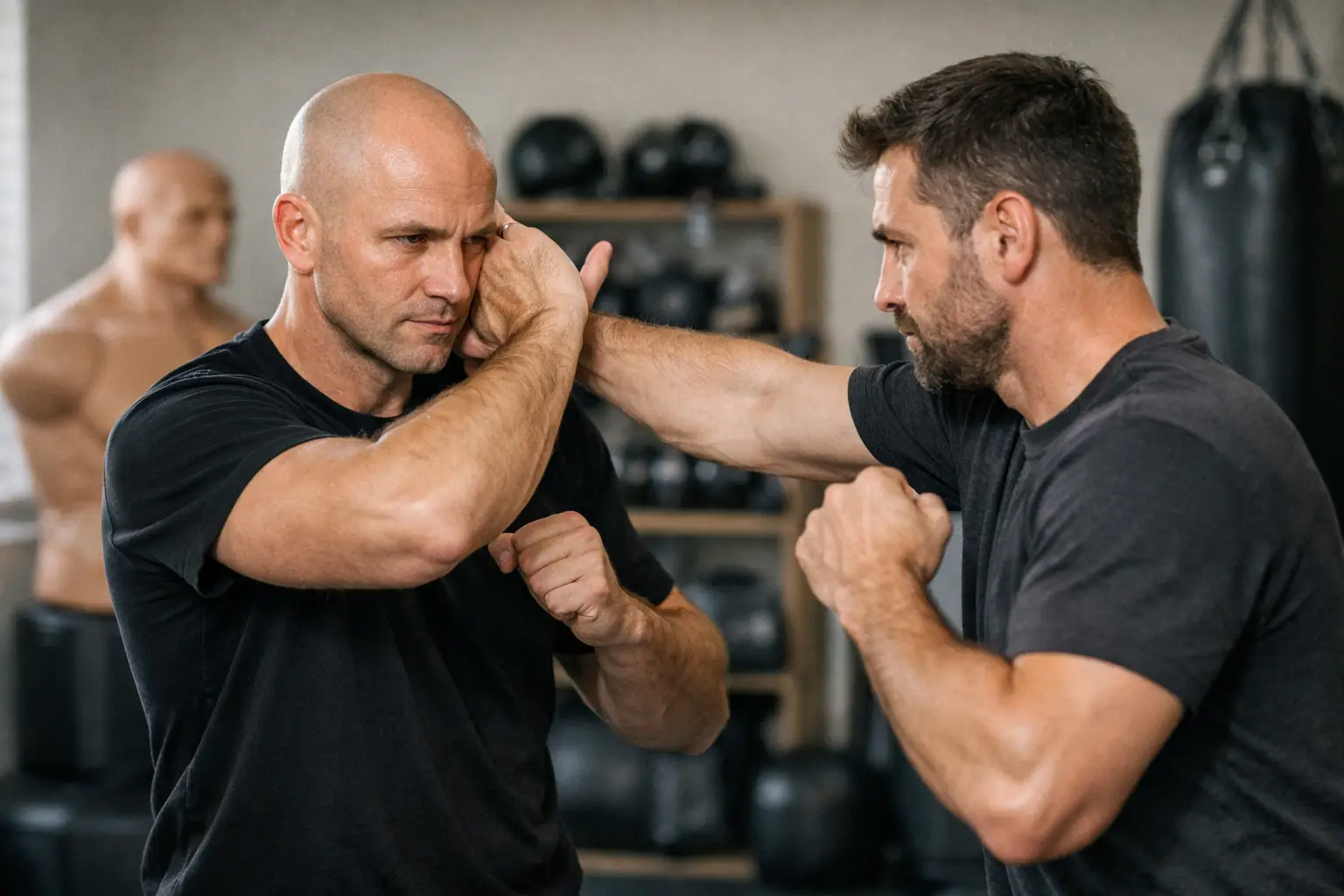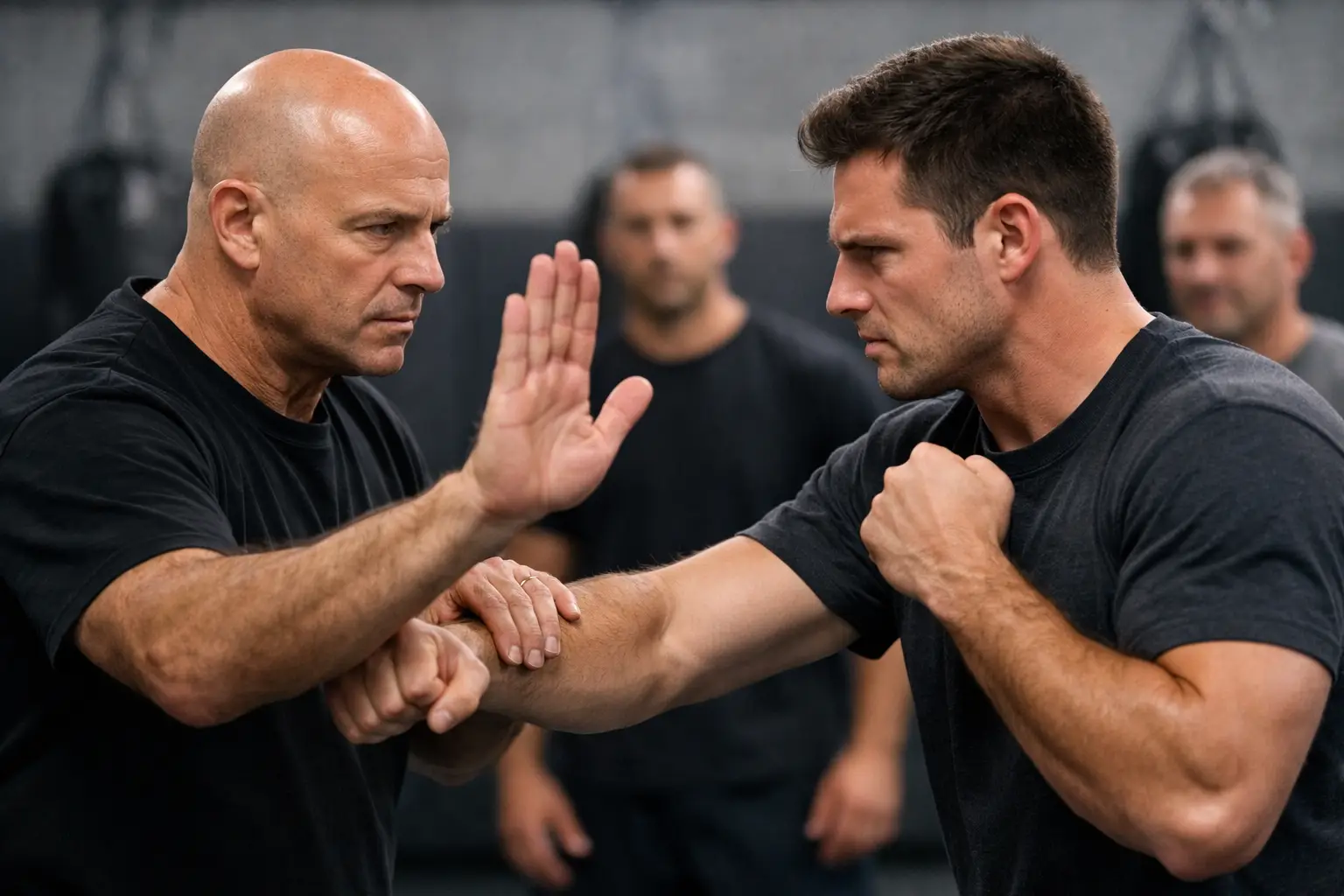
Most beginners do not quit self-defense because they lack motivation. They quit because the training model does not fit real life. Work shifts change, gyms are too far away, class times clash with family responsibilities, and many new students feel behind before they even start. That is exactly why krav maga video training for beginners has become such a powerful entry point. When it is built correctly, it gives you structure, repetition, and real-world instruction without forcing you into someone else’s schedule.
The key phrase there is built correctly. Not all online self-defense training is equal. A random collection of clips may entertain you, but it will not develop reliable habits under pressure. Beginners need progression. They need a system that starts with stance, movement, and awareness before rushing into high-stress scenarios. They also need instruction from someone with authority, not a content creator guessing their way through combat mechanics.
Why krav maga video training for beginners works
A serious beginner does not need more noise. They need clear direction and enough repetition to build skill without confusion. Video training works because it removes one of the biggest barriers to consistency – access. If you can train at home, on your own time, and review each lesson as often as needed, your odds of staying committed rise immediately.
That matters in Krav Maga because fundamentals decide everything. Your stance, balance, defensive reactions, hand positioning, movement patterns, and decision-making under stress must be repeated until they become natural. In a live class, an instructor may demonstrate a defense once or twice before moving on. In a structured online format, you can replay the same lesson ten times, slow it down, and practice until the mechanics become sharp.
There is also a psychological advantage. Many beginners hesitate to start because they do not want to feel exposed in a room full of experienced students. Video training gives them a private runway. They can build confidence first, then test themselves more aggressively as their skill grows.
What beginners should expect from a real program
The best krav maga video training for beginners is not just a playlist. It is a curriculum. That distinction matters.
A true beginner program should start with foundational material and move in a deliberate order. First comes body positioning, basic strikes, defensive structure, movement, and threat awareness. After that, students can progress into releases, choke defenses, common grabs, and practical responses to straightforward attacks. More advanced topics should only appear after the basics hold up.
This is where many online programs fail. They market dramatic techniques because dramatic techniques sell. But beginners do not need cinematic knife disarms in their first week. They need to understand distance, timing, vulnerability targets, and how to stay balanced while delivering simple, effective counterattacks.
A serious academy model solves that problem with belt-by-belt progression. Instead of throwing everything at the student at once, it gives them a path. They know what to train now, what comes next, and what standards they are working toward. For adults training around real responsibilities, that clarity is not a luxury. It is what keeps momentum alive.
The biggest benefit is consistency, not convenience alone
Convenience gets people started. Consistency gets results.
That is the real value of online beginner training. You are not waiting for Tuesday night class. You are not losing a full week because travel got in the way. You can put in twenty focused minutes before work, train again on the weekend, and revisit weak areas whenever needed. Over time, that creates more contact hours with the material than many casual in-person students ever achieve.
There is a trade-off, of course. Video training requires personal discipline. No instructor is standing next to you correcting every rep. If you rush, skip steps, or practice carelessly, your progress will stall. That does not mean online learning is weak. It means it rewards serious students.
For beginners, the right answer is usually not online versus in-person as an abstract debate. It depends on access, schedule, budget, and goals. If you live near a high-level Krav Maga school with excellent instruction and a class schedule that fits your life, that can be valuable. If you do not, a structured online program is far better than waiting indefinitely for perfect conditions that never arrive.
How to judge video instruction before you commit
The instructor matters more than the camera quality.
A polished video with poor technical teaching is still poor instruction. Beginners should look for programs led by recognized experts with demonstrated experience, formal progression, and a clear teaching method. The training should feel organized, not improvised. You should be able to see exactly where a beginner starts and how skills advance over time.
Watch how the material is explained. Is the reason behind the movement clear? Are common mistakes addressed? Does the coach teach pressure-tested responses, or just ideal-case scenarios? Krav Maga is not performance art. It is a reality-based self-defense system. That means the instruction must stay practical, direct, and repeatable under stress.
Programs with official progression and certification can also provide a stronger sense of purpose. For some students, that external milestone makes a major difference. It turns training from casual consumption into disciplined advancement. When you know your work builds toward recognized achievement, you train with more intent.
Training alone does not mean training blindly
One concern beginners often have is simple and valid: how do you improve if nobody is correcting you?
The answer is that good online training anticipates this issue. Strong programs use clear camera angles, detailed breakdowns, progressive lesson design, and repeatable drills that reduce confusion. The student is not left guessing. They are shown the mechanics, the goals, the common errors, and the expected standard.
You can also train smarter by filming yourself, comparing your movement to the lesson, and repeating shorter practice rounds instead of marathon sessions. Precision beats fatigue. For complete beginners, ten careful reps are better than fifty rushed ones.
It also helps to accept that solo training has limits. Some skills can be built effectively alone, especially movement, striking mechanics, combatives, defensive positioning, and situational drills. Partner-based timing and live pressure work are harder to replicate. A credible program will not hide that. It will help you build as much as possible independently while giving you a structured base that prepares you for future partner work when available.
Why structured online Krav Maga appeals to serious adults
Adult learners are not looking for fantasy. They want practical self-defense, flexible access, and proof that their effort is leading somewhere.
That is why a formal online academy model has such strong appeal. It respects the student’s time while preserving standards. You are not just watching techniques. You are moving through a system with defined levels, expert instruction, and a measurable path forward. That combination matters whether you are a complete beginner, a martial artist crossing over from another discipline, or a professional in security who wants accessible supplemental training.
For many people, the strongest advantage is simple: they can finally start. No commute, no need for expensive equipment, no requirement to reorganize life around a fixed class calendar. A serious platform such as Krav Maga Online gives beginners direct access to structured instruction, progression, and a credentialed path without the usual barriers that stop people before they build any real skill.
Start with the basics and take them seriously
The mistake many beginners make is chasing intensity too early. They want advanced content before they own basic movement. That is backward.
Your first wins should be posture, stance, guard, balance, straight strikes, basic combatives, awareness, and disciplined repetition. Those skills are not glamorous, but they are the base of everything else. Build them well and every future defense becomes stronger. Ignore them and even advanced techniques become unstable.
If you choose video training, choose a program that treats beginner development with seriousness. It should challenge you, but it should also guide you step by step. The goal is not to feel busy. The goal is to become harder to intimidate, harder to control, and more prepared to respond under pressure.
That is what good Krav Maga training delivers. Not hype, not empty motion, but a steady increase in capability you can carry into daily life. Start where you are, train with discipline, and let repetition do its work.